Early Dementia Care Choices: Is Memory Care or Assisted Living the Better Fit?
Business Name: BeeHive Homes of Frisco
Address: 2660 Timber Ridge Dr, Frisco, TX 75034
Phone: (469) 353-8232
BeeHive Homes of Frisco
Residential Assisted Living and Memory Care homes with compassion, core values, and care.
2660 Timber Ridge Dr, Frisco, TX 75034
Business Hours
Families frequently reach the exact same crossroad: a loved one has actually gotten an early dementia diagnosis and is beginning to lose ground with errands, expenses, meals, or medication regimens. Everyone can see that living entirely alone has ended up being dangerous. The concern that follows is stealthily basic. Should we start with assisted living, or move directly into a memory care home? The right answer depends less on the label and more on your loved one's particular pattern of strengths, threats, and preferences, plus what regional communities in fact supply behind their brochures.
I have actually strolled this decision with hundreds of households. I have seen brilliant starts in assisted living that stretched independence for several years, and I have actually watched other locals support only after moving to memory care. The option is part scientific assessment, part household logistics, part gut check about security. There are trade‑offs either way.
What "early dementia" usually looks like
Dementia is an umbrella term explaining progressive cognitive decline that disrupts everyday function. Early phases can be subtle. Most people still dress and shower individually and hold a significant conversation, especially in the early morning. The fractures typically display in what clinicians call crucial activities of daily living, the complex tasks that keep a household running.
Patterns I frequently see consist of unpaid expenses accumulating, repeated online purchases, a fridge filled with expired food, missed medication doses, and circular driving routes after basic errands. Pals may observe social withdrawal or that stories repeat 3 times over lunch. Short‑term memory slips are the heading, however evaluating threat can be tougher. I once dealt with a retired engineer who could describe every bolt on a lawn mower, yet might not remember he had actually currently taken his blood thinner. The memory failure mattered because of the medication's stakes.
Early symptoms vary by type of dementia. Alzheimer's alters to memory and word finding. Vascular dementia looks patchier, with excellent days and bad days, or weakness on one side after duplicated little strokes. Lewy body dementia can present visual misperceptions and huge swings in alertness, which makes security unforeseeable. Frontotemporal dementia can get here with modifications in judgment and impulse control long before memory fails, so an extremely spoken person may sound great while making unsafe choices. These subtleties influence whether an assisted living setting can supply enough oversight to avoid injuries and elopement, or whether the structure of memory care is the much safer structure from the start.
What assisted living in fact offers
Strip away the sales language and you will discover that assisted living is developed for people who require help with some everyday tasks but do not need 24‑hour clinical guidance. Staff assist with bathing, dressing, grooming, toileting, and medication management. Meals are prepared, house cleaning is consisted of, and there are social activities. Many buildings have beautiful common areas, yards, and on‑site salons. Residents usually reside in personal apartment or condos, lock their own doors, and reoccur to group events as they choose.

Staffing in assisted living is variable. A typical daytime pattern is one caretaker for eight to twelve locals, with thinner ratios overnight. Nurses are usually not on website around the clock, although some bigger communities have an LPN or RN during service hours, plus on‑call arrangements. Laws vary extensively by state. Some states allow assisted living to accept locals with moderate cognitive disability or early dementia if they can do so securely, while others require a relocate to a protected memory care unit at the very first indication of roaming threat. The label does not ensure capability; ask about actual staffing, training, and resident mix.
From an expense point of view, assisted living usually starts with a base regular monthly rate for space and board, then adds a care charge based on assessed requirements. In many markets, base rates fall in the 3,500 to 6,000 dollars vary for a studio or one‑bedroom, with care costs including 500 to 2,500 dollars depending on aid needed. Medication administration, incontinence supplies, and escorts to meals typically come as separate line products. Check out the menu of costs as you would check out an airline's baggage policy, and ask how often reassessments happen. In the majority of structures, care levels are evaluated every 30, 60, or 90 days.
When assisted living works well for early dementia, it is since it offers the right scaffolding without smothering independence. A retired teacher I dealt with moved into assisted living when she began burning pots and avoiding meals. With three prepared meals, medication tips, and an early morning hint to shower, she regained weight, rejoined a book club, and stayed 5 years, moving only when wandering began after sunset. She knew her neighbors and made her method confidently from her house to the dining-room. That familiarity had value that no list can capture.
What memory care adds to the equation
Memory care is designed for individuals living with dementia, beginning to end. The developed environment and day-to-day regimens lower confusion and mitigate threats that assisted living can not dependably control. Consider it as assisted living plus dementia‑specific shows and security.
Most memory care homes are protected. Doors need a code to exit, and there are alarms or sensing units on boundaries. This does not turn the unit into a jail. Residents go outside into secured yards, take part in monitored neighborhood getaways, and maintain a day-to-day rhythm. The objective is to prevent risky wandering, a risk that rises as soon as someone forgets where they were headed or misjudges traffic. Personnel get specialized training in redirection, acknowledging unmet needs that sustain agitation, and cueing techniques for bathing and dressing. The activity calendar looks various too. Rather of trivia contests spanning unknown dates, you will see task‑based programs like folding warm towels, baking, gardening, or music that makes use of long‑term memory. Montessori‑inspired dementia care, where tasks are streamlined and choice‑driven, has become more noticeable in well‑run communities.
A strong memory care program pays close attention to sensory load and regimen. Lighting follows a constant day‑night pattern to decrease sundowning. Passages may consist of shadow boxes with individual mementos outside each space to assist with wayfinding. Dining utilizes color contrast on plates and table linens to compensate for visual‑perceptual changes. Speech is brief and concrete. Noise is moderated. Personnel ratios are tighter than in assisted living, often one caregiver to six or eight residents throughout the day, and one to ten or twelve overnight, though this differs commonly. On‑site nursing hours also differ; some memory care units share a nurse with the assisted living building next door.
Memory care costs more. In a lot of areas, households need to anticipate 20 to 30 percent above assisted living rates. A fair working range is 5,000 to 9,000 dollars monthly, with higher expenses in seaside cities and lower in rural areas. That boost shows staffing and programming intensity, protected style, and higher oversight. Some communities bundle care into a flat memory care rate that consists of medication administration and incontinence support. Others still use a tiered model. When you tour, ask what activates a cost jump, and what takes place if care needs exceed what the system can safely provide. Every neighborhood has a discharge threshold, even if they avoid calling it.
I typically meet families who stress that memory care will feel infantilizing or too restrictive for someone in the early stage. This is not ensured. The best memory care communities construct option into the day, honor adult identities, and resist the impulse to overassist. I have seen a previous civil engineer continue to manage a common tool caddy for light jobs, and a retired nurse lead a hydration round. What changes is the safety net, not the person's worth.
Overlap and crucial differences
Both assisted living and memory care provide meals, housekeeping, social engagement, and help with individual care. The distinctions show up in what happens when someone is confused or at risk.
Assisted living anticipates more independent navigation. If your mother can reliably find the dining-room, use an elevator, and go back to her home, assisted living keeps her in a familiar, apartment‑style flow. If she gets lost between her door and the lobby, stresses when an alarm sounds, or wanders searching for a child who is now a grown adult, that dynamic overwhelms most assisted living floors. Staff in assisted living are kind and work hard, but they are not set approximately best assisted living frisco tx BeeHive Homes of Frisco monitor exit doors constantly, revamp an activity for someone who can not follow steps, or pacify late‑day uneasyness with structured sensory input.
Memory care expects confusion and prepare for it. Redirection is a core ability, not a periodic courtesy. Exit‑seeking is anticipated, and the structure complies with the plan instead of relying on personnel to chase alarms. The everyday regular deals clear start and stop hints. When cognition dips in the afternoon, there are shorter, tactile activities and quiet areas that soak up that energy. The whole system is shaped around dementia care.
Medication security is a strong differentiator. In assisted living, residents can often manage their own medications if they demonstrate skills, though lots of select staff administration. In memory care, staff deal with medications as a rule, which reduces threats of double dosing or avoided tablets that destabilize blood pressure, blood sugar, or mood.
Another line is the action to habits that signal distress. If your father develops fear that items are being taken, or he misreads patterns on a carpet as pests, a memory care team will have training in how to confirm the feeling, reduce triggers, and shift jobs gracefully. Assisted living might ask the household to offer private task hours to cover the gap, or they may recommend a transfer if the pattern persists.
Where starting in assisted living makes sense
If your loved one has early dementia with good insight, no wandering history, and constant daytime function, assisted living can be a strong primary step. People who prosper in assisted living tend to worth privacy and the feel of an apartment, choose a lighter touch from staff, and enjoy a more diverse peer group that includes citizens without cognitive disability. Some couples pick assisted living so they can share a basic house and regimen while just one partner receives help, specifically when memory care houses in the area are mainly personal studios.
Finances can tip the scale too. If the spending plan is tight and the distinction in regular monthly cost would cut years off affordability, starting in assisted living and preparation for a later relocation may be practical. A veteran's Help and Participation benefit can offset 1,200 to 2,300 dollars monthly, depending on marital status. Medicaid protection for assisted living and memory care varies by state and program, and many neighborhoods keep a restricted variety of Medicaid waiver slots. When funds are limited, ask each building's director whether residents can transform to Medicaid in place, and if so, for how long the personal pay period should be first.
I recommend assisted living when a strong family existence adds oversight. If a child visits three times weekly, notices early changes, and can act quickly to change the strategy, assisted living's lighter guidance ends up being less risky.
Where moving directly to memory care is the safer call
Three patterns guide me to memory care from the start. The first is exit‑seeking or a continual roaming history, even if there was no real elopement. The second is bad security judgment integrated with confabulation, such as turning on the range and forgetting it is hot, insisting on driving after getting lost, or distributing cash to strangers by phone. The third is behavioral change that requires consistent dementia‑specific methods to prevent escalation, for instance late‑day agitation or misinterpreting benign interactions as threats.
Families frequently ask whether starting in assisted living could purchase time while preserving dignity. If any of those patterns exist, you are not trading self-respect for safety by choosing memory care. You are selecting a setting where the walls, staffing plan, and day-to-day rhythm fulfill the person where they are.
Here is a fast filter I share in household meetings.
- Repeated roaming or exit‑seeking in the past 60 days
- Unsafe cooking area or medication errors in spite of prompts
- Getting lost within buildings or car park already familiar
- Increasing fear, misperceptions, or late‑day agitation
- Limited insight into deficits, paired with resistance to help
If 2 or more of these hold true, memory care is generally the better fit.
The couple's dilemma
One of the hardest scenarios involves couples when just one partner has dementia. Many assisted living communities welcome couples and rate the 2nd occupant at a minimized rate, adding care fees for the partner who requires aid. Numerous memory care units, by contrast, only allow the individual with dementia to reside on the protected floor. A couple of communities offer companion memory care homes for couples, however not many.
I have actually seen innovative options. In one case, a husband with early Alzheimer's transferred to memory look after safety, and his better half rented an independent living apartment or condo in the very same structure, investing daytime hours with him and going back to her own bedroom in the evening. It pleased both security and marital closeness. In another, a couple begun together in assisted living with a clear plan to transition to memory care if he started to exit‑seek. They focused on distance when visiting and picked a school with both levels of care under one roof to minimize disturbance later.
What to search for when you tour
A structure can state it provides dementia care without delivering the information that matter. View the micro‑interactions. Does a caretaker kneel to greet a resident at eye level, or call throughout the room? Are people participated in something purposeful, or is the TV carrying the load? Are there clear visual hints for the restroom from the bed? Is the outdoor area truly functional, with a flat loop and shade, or is it a locked box no one enters?
Ask pointed concerns. The answers will inform you whether the community's dementia care is a program or a paragraph in a brochure.
- How does personnel handle exit‑seeking without physical restraint?
- What is the typical daytime and overnight staffing on the unit?
- What sets off a relocate to a greater level of care or hospital?
- How are medications managed, and who evaluates psychotropics?
- Can we do a brief respite stay before signing a longer lease?
If the director can not address, ask to speak with the nurse or memory care planner. Transparency today prevents a scramble later.
Money, contracts, and the great print
Care costs hardly ever relocate a straight line. Anticipate reassessments. If your mother starts needing two people to assist with transfers, or she becomes incontinent, the cost will increase. If she supports, charges hardly ever return down, though it deserves asking. Pay attention to move‑in costs, community costs, and whether the building uses a third‑party pharmacy that adds shipment charges. Arbitration stipulations appear in many residency arrangements. If you are unpleasant with them, ask whether they are optional; in some states they are.
Respite stays can be a clever way to evaluate the fit. A 14 to 30 day trial lets you see how your father carries out in memory care without devoting to a year‑long lease. Demand a written prepare for how staff will approach his recognized triggers and choices. If the respite works out, you acquire confidence. If it does not, you still have your choices open.
Long term care insurance can spend for either assisted living or memory care once the policy's requirements are met, usually needing assist with 2 or more activities of daily living or having a cognitive impairment that needs guidance. Start the claim paperwork early. Advantages typically begin after an elimination duration of 30 to 90 days.
How timing affects outcomes
Moving too late can create a high, stressful shift. An individual who has actually already fallen two times or been discovered outside in winter without a coat is getting here with momentum you will have to intercept. The very first 2 weeks in a new setting are by definition disorienting. Include moving stress to middle phase dementia, and you might see momentary worsening in behavior or confusion. That does not mean the move was wrong, however it means you should not await a crisis to make the decision. I encourage households to tour while the individual with dementia can still walk the halls, fulfill personnel, and soak up a few of the brand-new design. Familiarity, even if partial, helps later.
On the other hand, moving too early can backfire. A devoted walker who thrives on long, without supervision loops around an area might feel penned in by a protected courtyard, even a great one. If insight is still strong and roaming has actually not emerged, starting in assisted living and revisiting the strategy every three to 6 months might take full advantage of lifestyle. There is no universal rule; your loved one's personality and history matter.
Edge cases that require unique judgment
Young beginning dementia alters the calculus. A 58‑year‑old with frontal behavioral changes will not mix well in a memory care unit developed around 80‑plus locals. Search for neighborhoods with experience in younger citizens, more physical activity, and staff comfy with disinhibition and pacing.
Bilingual or bicultural locals are worthy of attention to language and food. Confusion amplifies when the surrounding language is not the one somebody defaulted to in youth. If the only Spanish spoken in the building is at the reception desk, that will not be enough.
Rural markets can provide thin choices. I have helped families who drove 45 minutes to the nearest memory care and selected assisted living locally because they could visit every day. The extra existence made up for the setting. When you choose in between best but far and sufficient however near, consider who will show up on Tuesday afternoon in February. Support you can sustain beats a plan you will abandon.
How to prepare the person and the team
Pack the space like you are constructing a memory map. Familiar armchair by the window, preferred quilt on the bed, household pictures in consistent places. Label drawers with words and pictures. Bring a small basket of tactile tasks that fit your person's history: playing cards for a previous poker host, large‑piece puzzles for a hobbyist, a tidy box of nuts and bolts for a mechanic. Provide a composed life story to the personnel. Two pages suffice. Include labels, former professions, foods liked and hated, music that calms, and topics to prevent. Great dementia care is personal care.
Stay during the first meals if the neighborhood invites it. View where your loved one naturally sits and whether staff hint hydration. Bring a relied on routine from home. A short afternoon walk, a prayer before dinner, or the same tune at bedtime can anchor the day. If there is a bump, withstand the reflex to end in two days. Deal with the team. Request for a concrete strategy to attend to the particular friction point. When families and staff share observations and modify methods, the very first difficult week often settles.
Putting the pieces together
Families desire a definitive answer to the title concern, however the better objective is a clear choice structure. If dangers are contained with predictable triggers, and your loved one can navigate a building securely, assisted living protects autonomy and frequently costs less. If confusion is currently producing wandering, safety judgment is jeopardized, or habits needs specialized approaches, a memory care home offers structure that secures self-respect by preventing repeated failures.
There is room for creativity. Co‑located campuses permit a step-by-step relocation as requirements grow. Respite stays let you test without long commitments. Private responsibility assistants can overlay assistance in assisted living to bridge a tough patch, however at a cost. None of these choices lock you in forever. Dementia care is iterative. You will revisit the strategy as the disease and the person change.
The households I have seen fare best accept 2 truths at once. Initially, the best environment can stabilize function and happiness for months or years. Second, dementia continues to progress no matter how excellent the care is. Your job is not to go after a perfect setting, however to match the setting to the individual you like at this point in time, with eyes open up to what comes next. When you approach it that way, the labels matter less. Security, engagement, and regard lead you to the right door.
BeeHive Homes of Frisco provides assisted living care
BeeHive Homes of Frisco provides memory care services
BeeHive Homes of Frisco provides respite care services
BeeHive Homes of Frisco supports assistance with bathing and grooming
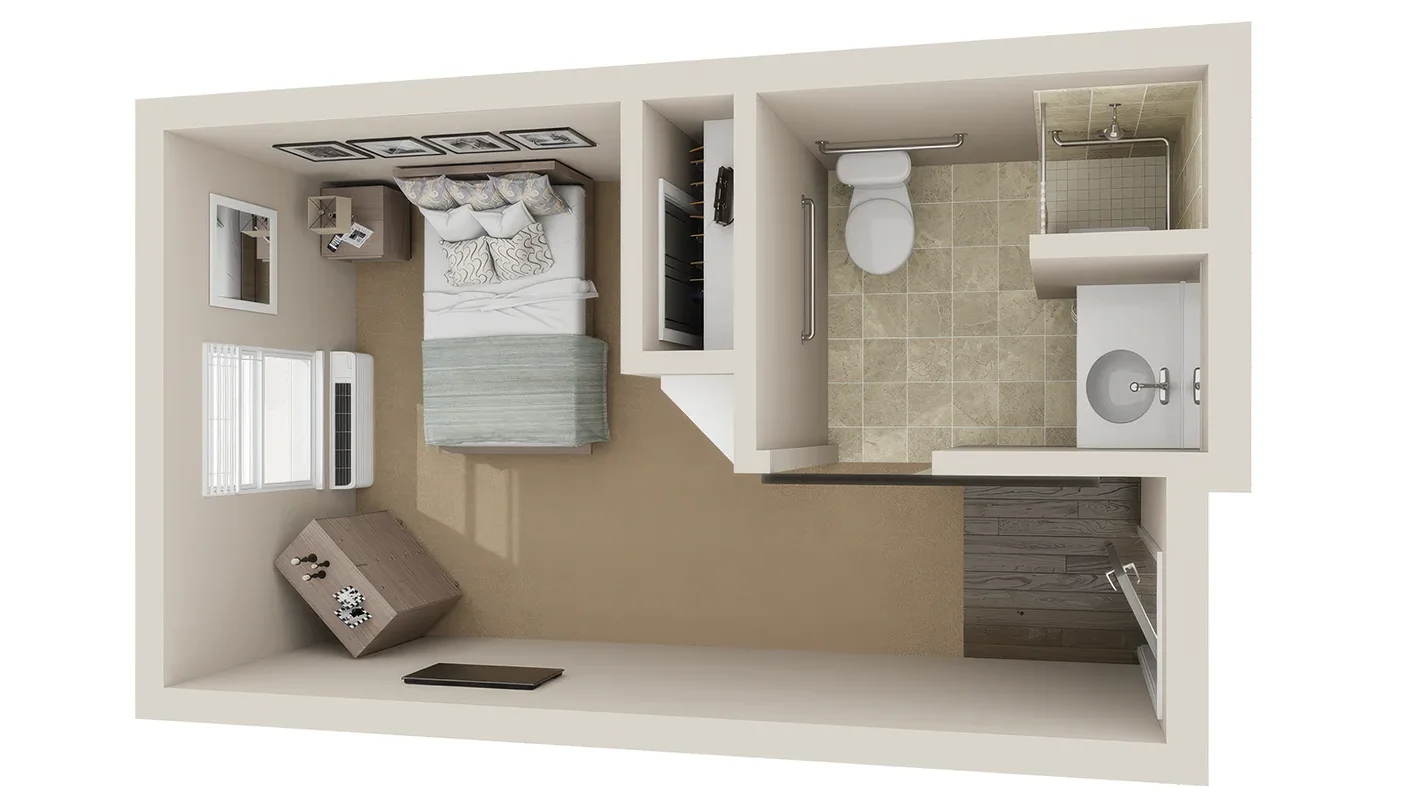
BeeHive Homes of Frisco offers private bedrooms with private bathrooms
BeeHive Homes of Frisco provides medication monitoring and documentation
BeeHive Homes of Frisco serves dietitian-approved meals
BeeHive Homes of Frisco provides housekeeping services
BeeHive Homes of Frisco provides laundry services
BeeHive Homes of Frisco offers community dining and social engagement activities
BeeHive Homes of Frisco features life enrichment activities
BeeHive Homes of Frisco supports personal care assistance during meals and daily routines
BeeHive Homes of Frisco promotes frequent physical and mental exercise opportunities
BeeHive Homes of Frisco provides a home-like residential environment
BeeHive Homes of Frisco creates customized care plans as residents’ needs change
BeeHive Homes of Frisco assesses individual resident care needs
BeeHive Homes of Frisco accepts private pay and long-term care insurance
BeeHive Homes of Frisco assists qualified veterans with Aid and Attendance benefits
BeeHive Homes of Frisco encourages meaningful resident-to-staff relationships
BeeHive Homes of Frisco delivers compassionate, attentive senior care focused on dignity and comfort
BeeHive Homes of Frisco has a phone number of (469) 353-8232
BeeHive Homes of Frisco has an address of 2660 Timber Ridge Dr, Frisco, TX 75034
BeeHive Homes of Frisco has a website https://beehivehomes.com/locations/beehive-homes-frisco/
BeeHive Homes of Frisco has Google Maps listing https://maps.app.goo.gl/HWUAPNmeBuFCmgFdA
BeeHive Homes of Frisco has Facebook page https://www.facebook.com/BeeHive.Frisco.McKinney/
BeeHive Homes of Frisco has an Instagram account at Instagram
BeeHive Homes of Frisco won Top Assisted Living Homes 2026
BeeHive Homes of Frisco earned Best Customer Service Award 2025
BeeHive Homes of Frisco placed 1st for Texas Senior Living Communities 2025
People Also Ask about BeeHive Homes of Frisco
What is BeeHive Homes of Frisco Living monthly room rate?
The rate depends on the level of care that is needed. We do an initial evaluation for each potential resident to determine the level of care needed. The monthly rate is based on this evaluation. There are no hidden costs or fees
Can residents stay in BeeHive Homes of Frisco until the end of their life?
Usually yes. There are exceptions, such as when there are safety issues with the resident, or they need 24 hour skilled nursing services
Do we have a nurse on staff?
No, but each BeeHive Home has a consulting Nurse available on demand. The High Acuity building will have an RN on call 24x7. In some cases the residents can be assessed for Home Health and Hospice needs and if approved can get a higher level of nursing care
What are BeeHive Homes of Frisco's visiting hours?
Visiting hours are adjusted to accommodate the families and the resident’s needs… just not too early or too late
Do we have couple’s rooms available?
Yes. Our Memory care building have double occupancy room which can be shared by couples. In our assisted living the side - by - side rooms can be taken by couples. Please ask about the availability of these rooms
Where is BeeHive Homes of Frisco located?
BeeHive Homes of Frisco is conveniently located at 2660 Timber Ridge Dr, Frisco, TX 75034. You can easily find directions on Google Maps or call at (469) 353-8232 Monday through Sunday 7:00am to 7:00pm
How can I contact BeeHive Homes of Frisco?
You can contact BeeHive Homes of Frisco by phone at: (469) 353-8232, visit their website at https://beehivehomes.com/locations/beehive-homes-frisco/ or connect on social media via Instagram Facebook or YouTube
You might take a short drive to the Frisco Heritage Museum. The Frisco Heritage Museum offers local history and exhibits that can encourage reminiscence and meaningful engagement for individuals receiving Assisted living memory care senior care elderly care and respite care.